
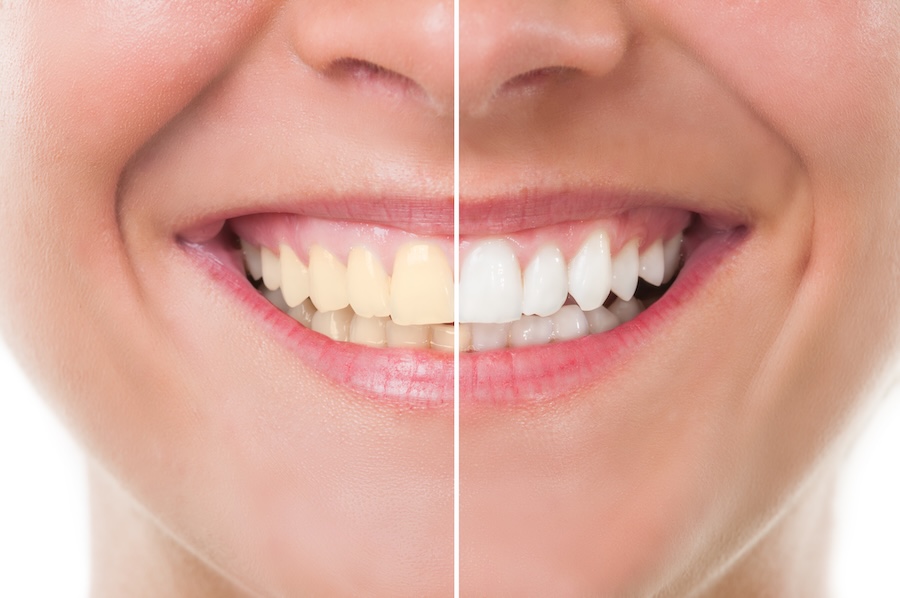
What Actually Happens to Enamel During a Teeth Whitening?
September 23, 2026 9:00 amTeeth whitening can feel a little mysterious if all you see is whitening gel going on and a brighter smile coming back. You may wonder whether the enamel is being thinned, scrubbed, or altered in some permanent way. Fortunately, professional whitening works by changing the stain molecules inside the tooth rather than removing a layer of enamel.
At Magnolia Family Dental in Alvin, Dr. Angela Marteeny offers professional teeth whitening for patients who want a brighter smile. Peroxide-based whitening ingredients move through the microscopic structure of the tooth and break down darker pigments. So while the color changes, the enamel itself stays in place.
That is also why whitening can reach stains that brushing and cleanings cannot fully remove. Surface buildup can be polished away, but deeper discoloration sits within the tooth structure. Whitening works farther beneath the surface.
Enamel Is Hard, but It Is Not Completely Impermeable
Tooth enamel is the hardest substance in the human body, but it still has a microscopic structure that allows small molecules to move through it. Over time, pigments from coffee, tea, red wine, tobacco, and other foods and drinks can work their way into the enamel and dentin. That deeper discoloration is one reason teeth can look darker even when they are clean.
Regular brushing and professional cleanings help remove plaque, tartar, and many surface stains. However, they cannot reach every pigment inside the tooth. Whitening products can move deeper, which is what allows them to change the overall shade.
The enamel remains intact during the process. Instead, the peroxide travels through those microscopic pathways and reacts with the compounds causing the discoloration.
Peroxide Breaks Down the Pigments Inside the Tooth
Professional whitening products commonly use hydrogen peroxide or carbamide peroxide. Once the peroxide begins reacting, it breaks larger stain molecules into smaller compounds that reflect less visible color. As a result, the tooth looks lighter.
Nothing has to be shaved, polished, or peeled away for this to happen. The change is chemical rather than mechanical. That distinction is important because it explains how teeth can get several shades brighter without sacrificing enamel thickness.
The whitening agent also reaches beyond the outer enamel into the dentin beneath it. Since dentin contributes a lot to the overall color of the tooth, changing those deeper pigments can have a noticeable effect on the final shade.
What People Mean When They Say Whitening “Opens the Pores”
You may have heard someone say whitening “opens the pores” of your teeth. Teeth do not have pores in the same way skin does, but enamel does contain microscopic spaces that allow peroxide to move through. That is usually what people are referring to.
Whitening can also temporarily change how water moves through enamel and dentin. Because of that, the teeth can feel more sensitive for a short time afterward. Still, the enamel is not left permanently open or full of holes.
As the tooth rehydrates and the whitening process settles, sensitivity usually improves. If you already have sensitive teeth, we can also talk about ways to make the process more comfortable before treatment starts.
Why Teeth Can Feel Sensitive After Whitening
Sensitivity is one of the more common things patients notice after whitening. You might take a sip of cold water and feel a quick zing through one or more teeth, even if cold drinks normally do not bother you. For some patients, it is mild, while others notice it more.
During whitening, peroxide can move through enamel and dentin toward the inner part of the tooth. That can temporarily make the nerves more responsive to temperature changes. So sensitivity after treatment does not automatically mean the enamel has been damaged.
Patients with gum recession, exposed root surfaces, worn enamel, small cracks, or a history of sensitivity can be more prone to it. Because of that, it helps to mention any existing sensitivity before whitening. We can then factor that into the treatment plan.
Professional Whitening Gives Us More Control Over the Process
The concentration of the whitening product and the amount of time it stays on the teeth both affect the result. Using a stronger product for longer does not necessarily mean a better outcome. In fact, overdoing it can increase sensitivity and irritate the gums.
With professional whitening, we can evaluate your teeth first and choose an approach that fits your enamel, dental history, and sensitivity. We can also protect the gums and soft tissues during treatment. If you have existing dental work or areas of recession, we can account for those before whitening begins.
That control is one of the main advantages of whitening through a dental office. Instead of guessing how your teeth will respond, we can look at your smile first and make adjustments as needed.
Crowns, Veneers, and Fillings Will Keep Their Original Shade
Whitening products brighten natural tooth structure, but they do not change the color of crowns, veneers, or tooth-colored fillings. So if you have visible dental work near the front of your smile, those restorations will stay the same shade while the natural teeth get lighter.
This is more noticeable when a crown or filling was matched to a darker tooth color before whitening. After whitening, the surrounding enamel may look brighter than the restoration. Depending on where the dental work is, that color difference can become more obvious.
Because of that, we often want to look at the entire smile before starting. If you have visible restorations, we can explain how whitening could affect the overall color match and whether any additional cosmetic work would be worth considering afterward.
What Happens Right After Whitening
Right after whitening, teeth can sometimes look a little brighter than they will a few days later. Part of that early brightness comes from temporary dehydration. As the teeth rehydrate, the shade settles.
You may also notice more sensitivity during that period. Cold drinks, hot foods, or even cool air can feel sharper than usual for a day or two. Using toothpaste for sensitive teeth and following your post-whitening instructions can help.
Also, darker foods and drinks can start adding new stains over time, so it makes sense to protect the result. Rinsing with water after coffee or tea, keeping up with cleanings, and using touch-up whitening when recommended can all help the brighter shade last longer.
How Long Whitening Results Last
Professional whitening is not permanent because teeth continue to pick up new pigments from food, drinks, and daily habits. Still, the results can last quite a while with regular oral hygiene and occasional touch-ups. How long they last depends a lot on what your teeth are exposed to afterward.
Coffee, tea, red wine, tobacco, and other strongly pigmented products can gradually darken the teeth again. However, that change happens over time rather than all at once. Regular brushing, flossing, and professional cleanings can help slow down new surface staining.
Touch-up whitening can also help maintain the result. The timing depends on how quickly your teeth begin to darken again and how bright you want to keep them.
Some Types of Discoloration Respond Better Than Others
Whitening tends to work well on many yellow and brown stains. Gray discoloration, certain medication-related stains, and some internal changes can be more stubborn. The starting shade and cause of the discoloration both affect how much improvement you can expect.
Crowns, veneers, and fillings will not lighten at all, while deeply stained natural teeth may only improve to a certain point. Because of that, we look at the type of discoloration before promising a specific shade change. In some cases, another cosmetic treatment can give a more predictable result.
We also want the teeth and gums to be healthy before whitening starts. Cavities, leaking fillings, significant gum recession, or severe sensitivity can make treatment uncomfortable. Dr. Marteeny can check those areas first and help you decide when whitening makes sense.
Professional Teeth Whitening at Magnolia Family Dental
During whitening, peroxide moves through the enamel and dentin and breaks down the pigments that make teeth look darker. The enamel stays in place throughout the process, although temporary sensitivity can happen while the whitening agent is working. For healthy teeth, professional whitening is a well-established way to brighten the smile without removing enamel.
At Magnolia Family Dental, Dr. Angela Marteeny can look at your enamel, existing dental work, sensitivity, and type of discoloration before you whiten. If you are thinking about brightening your smile and want to know what kind of result to expect, schedule a visit with our Alvin team!
Categorised in: Uncategorized